

Couples Counseling for Relationship Conflict
A disagreement about dishes can quickly become an argument about feeling unseen. A tense conversation about money may carry years of worry, unequal responsibility, or different expectations learned in each partner’s family. When conflict keeps returning in new forms, the issue is often not one conversation. It is the pattern the relationship falls into when either person feels hurt, stressed, dismissed, or alone.
Couples counseling for relationship conflict offers a place to slow that pattern down. Rather than deciding who is right, therapy helps partners understand what happens between them, communicate more clearly, and build agreements that fit their real lives, identities, values, and circumstances.
When relationship conflict may benefit from counseling
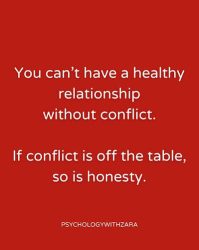
All close relationships include disagreement. Conflict itself does not mean a relationship is failing. Some couples seek therapy because arguments have become frequent or intense. Others are not arguing much at all, but feel distant, guarded, or unable to discuss painful topics without shutting down.
Counseling can be useful when the same concerns continue without resolution, when one or both partners avoid bringing up needs to keep the peace, or when repair after an argument feels increasingly difficult. It can also provide support during periods that naturally place pressure on a relationship, such as becoming parents, blending families, caring for a loved one, managing illness, grief, job changes, financial strain, relocation, or shifts in intimacy.
Partners may also come in with different levels of urgency. One person may feel ready to address the relationship while the other is uncertain, exhausted, or worried that therapy will turn into a place to be blamed. Those concerns are understandable. A skilled couples therapist works to create an environment where both people can speak honestly and be heard with respect.
What couples counseling for relationship conflict addresses
Relationship conflict rarely comes from a single cause. Couples therapy looks at the interaction between partners while making room for the experiences each person brings into the relationship. Childhood experiences, trauma, mental health concerns, neurodivergence, cultural background, race-related stress, gender identity, sexual orientation, faith, family expectations, and medical conditions can all shape how people communicate and what they need to feel secure.
For example, one partner may become quiet during conflict because they learned early that speaking up was unsafe or pointless. The other may experience that silence as rejection and push harder for an immediate answer. Neither response has to be treated as a character flaw. Therapy can help each partner name the meaning underneath their reactions and practice a different response.
Common areas of focus include communication breakdowns, recurring arguments, emotional disconnection, trust concerns, conflict around parenting, division of household labor, financial stress, boundaries with extended family, differences in sexual or emotional intimacy, and uncertainty about the future of the relationship. When anxiety, depression, trauma, substance use, or significant life stress are also present, these concerns may need thoughtful attention as part of the work.
The goal is not to eliminate disagreement.
Healthy relationships do not require partners to agree on everything. The more meaningful goal is to develop a way of handling differences without contempt, fear, avoidance, or repeated injury. Couples can learn to identify escalation earlier, express concerns without personal attacks, listen for the need beneath a complaint, and return to a difficult topic after taking appropriate space.
That process takes practice. A useful conversation in therapy does not automatically make hard discussions easy at home. Still, it can give partners a shared language and a clearer path for repair when conflict arises.
What happens in couples therapy
The first sessions usually focus on understanding the relationship as each partner experiences it. A therapist may ask about the concerns that brought you in, the strengths that have helped you stay connected, major stressors, relationship history, cultural and family context, and what each person hopes will change.
From there, counseling becomes more targeted. Some sessions may focus on a recent argument, tracing the sequence from the initial trigger to the point where communication broke down. Others may involve practicing a specific skill, such as expressing a need directly, setting a boundary, or responding to criticism with curiosity rather than defensiveness.
A therapist is not there to serve as a referee or determine which partner is “the problem.” They help identify the cycle that keeps the conflict going. This may include pursuing and withdrawing, criticism and defensiveness, people-pleasing and resentment, or repeated attempts to solve a practical problem without addressing the emotional concern beneath it.
At times, individual meetings may be clinically appropriate, particularly when a therapist needs more context or when personal concerns are affecting the relationship. The structure should be discussed openly so that both partners understand how privacy, safety, and shared treatment goals will be handled. Couples therapy is most helpful when expectations about the process are clear.
Skills couples can begin practicing between sessions
Therapy creates room for new conversations, but much of the change happens in the everyday moments between appointments. Small, consistent shifts are often more sustainable than trying to fix every problem at once.
Start by noticing the earliest signs that a conversation is escalating. This might be a raised voice, a sarcastic comment, an urge to leave the room, or the feeling that you must make your point immediately. Naming the pattern can create a pause before it takes over.
It can also help to choose a time for difficult conversations rather than beginning them in the middle of exhaustion, work demands, or caregiving responsibilities. A request such as, “I want to talk about our budget, and I want to do it when we both have the capacity,” is often more productive than starting with an accusation.
When sharing a concern, describe your experience and the specific change you are asking for. “I feel overwhelmed when I carry the evening routine alone. Can we make a plan for who handles what?” gives a partner something concrete to respond to. This does not guarantee agreement, but it reduces the likelihood that the conversation begins with blame.
Listening matters just as much. Understanding a partner’s perspective does not require abandoning your own. It means reflecting back what you heard well enough that they feel accurately understood before offering a defense, correction, or solution. For many couples, this is a challenging skill and a meaningful place to begin.
When safety needs to come first
Couples counseling is not appropriate for every situation. If there is fear, coercive control, threats, intimidation, stalking, or physical or sexual violence in the relationship, safety requires individual attention and specialized support. Joint sessions can increase risk when one partner cannot speak freely or may face consequences for what they share.
A mental health professional can help assess what type of care is appropriate. If someone is in immediate danger, contacting emergency services or a local crisis resource is the safest next step. If there are concerns about self-harm or suicide, urgent support should be sought right away.
Choosing a therapist who respects the whole relationship
The quality of the therapeutic relationship matters. Couples often benefit from a clinician who has experience with relationship dynamics and who approaches both partners with warmth, accountability, and cultural humility. It is reasonable to ask about a therapist’s approach to couples work, their experience with concerns similar to yours, and how they support partners with different identities, backgrounds, or values.
The right fit does not mean therapy will always feel comfortable. Conversations about hurt, trust, intimacy, or unmet needs can be emotionally demanding. It does mean that both partners should feel respected, that the work has a clear purpose, and that difficult moments are handled thoughtfully.
At Meredith Psychological & Testing Services, couples can work with clinicians who recognize that relationship concerns exist within larger emotional, social, cultural, and family contexts. Care can be tailored to the concerns bringing partners in while honoring each person’s lived experience.
Conflict can make a relationship feel smaller than it once did, with every conversation shaped by anticipation of the next hurt. Seeking support is a way to make room for a different kind of conversation – one where both partners can be honest, take responsibility for their part, and consider what connection could look like from here.